Their story begins in the nineteenth century in the mountainous region of Friuli, in north-eastern Italy. Faced with poverty and a shortage of materials, local rural communities drew on their ingenuity to create what became known as scarpez, traditional handmade shoes resembling lightweight slippers or espadrilles. The soles were made from recycled bicycle tyres, while the inner layers were fashioned from old jute or hessian sacks. The uppers were stitched by hand using leftover curtain fabric, discarded textiles or scraps of velvet. After the First World War, the shoes found their way to Venice, where they quickly became popular with the city’s gondoliers. Their rubber soles provided a secure grip on wet wooden surfaces without scratching the gondolas’ carefully painted finish. Before long, friulane were also adopted by the Venetian aristocracy as luxurious house slippers. Legend has it that noblemen favoured them because their soft soles allowed them to move silently across the wooden floors of their palazzi, slipping unnoticed towards their lovers’ rooms.
The Epitome of Effortless Chic
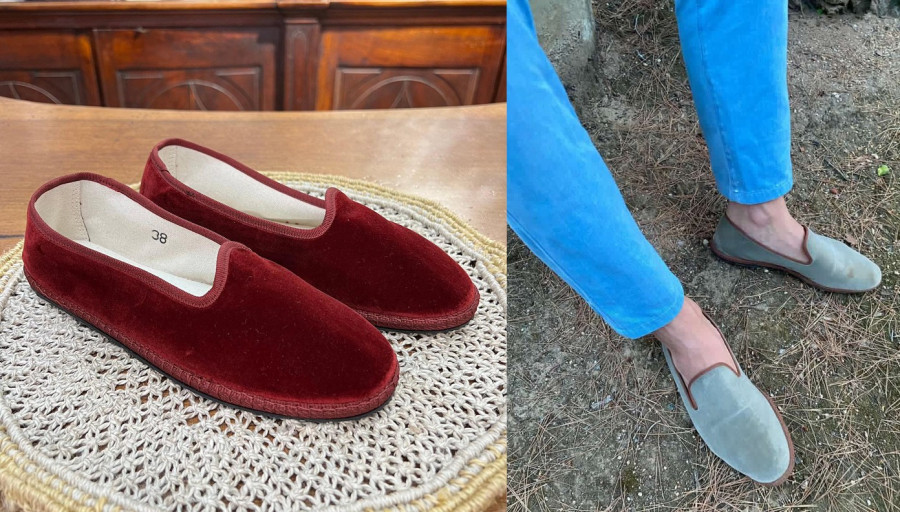
Today, traditional Italian friulane are typically crafted from luxurious velvet, linen or cotton, with soles made from recycled rubber, bringing together sustainability and contemporary elegance. They are neither conventional loafers nor simple ballet flats or slippers, but a remarkably soft hybrid style that offers an almost barefoot feel while retaining an unmistakably refined appearance. Friulane can be worn from morning to evening. In summer, they provide an elegant alternative to espadrilles, while in spring and autumn they offer a lighter option than structured leather shoes. With no rigid internal seams, they mould comfortably to the shape of the foot while allowing the skin to breathe. They are ideal for relaxed walks around the city, offering the light, almost barefoot feel for which friulane are known, and work equally well as part of a polished resort wardrobe. They also make an elegant choice for indoor wear, particularly when entertaining guests at home.
The Return to Menswear
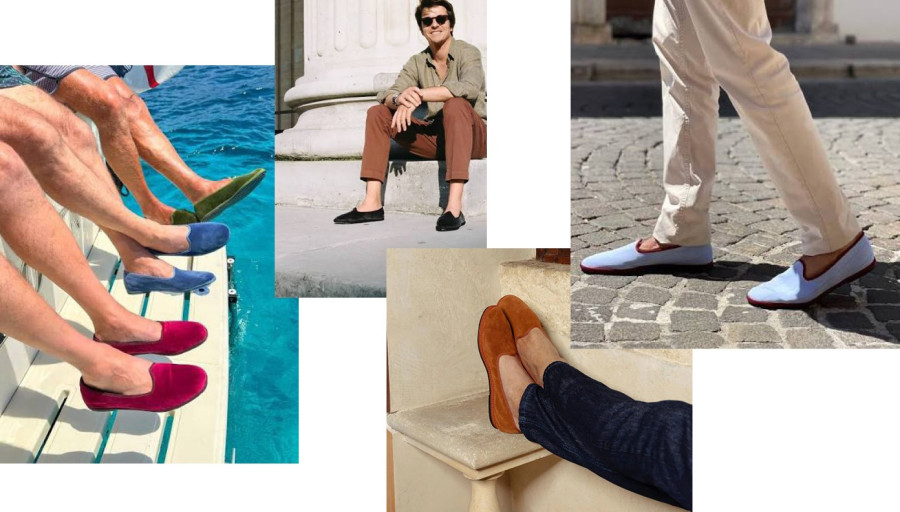
As contemporary fashion has increasingly embraced quiet luxury and the so-called old-money aesthetic in recent years, friulane have staged a striking comeback. Figures such as George Clooney and Tom Ford have been seen wearing them, while a closer look at some of the best-dressed men in the streets of Florence during Pitti Uomo, or aboard yachts in Antiparos and Capri, reveals a shared, almost imperceptible detail. Rather than trainers or structured leather loafers, they often choose a pair of friulane, a style that sits somewhere between a luxurious slipper and a refined slip-on shoe. For decades, friulane belonged to the relatively closed world of the Italian aristocracy and fashion insiders. Today, amid the enduring appeal of Quiet Luxury and Radical Chic, they are making a confident return to classic menswear. More than a passing trend, friulane are an ideal expression of sprezzatura, the Italian art of looking effortlessly elegant without appearing to have tried.
A Chameleon of the Menswear Wardrobe
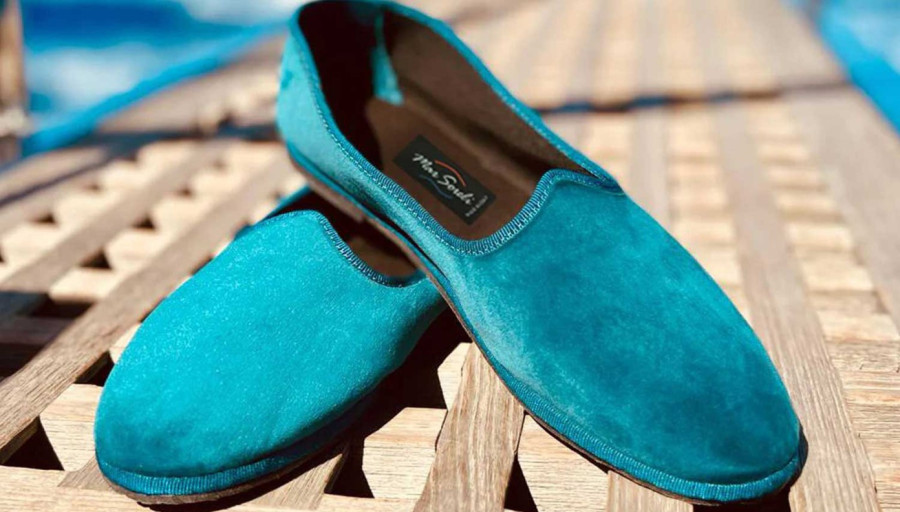
Friulane are true chameleons of the male wardrobe, moving effortlessly between smart casual and relaxed formality. They are best worn without socks or with discreet no-show socks, as visible socks tend to undermine their refined character. They pair naturally with relaxed linen trousers, tailored shorts or denim, as well as with a lightweight cotton knit or a classic Breton top, creating an ideal look for drinks on an island or an evening in the city. In many ways, they offer an antidote both to the fatigue surrounding oversized, overdesigned trainers and to the rigidity of traditional formal footwear. These are shoes for a well-travelled man who appreciates craftsmanship and heritage, and who understands that true luxury today lies in comfort combined with personal style. Classic menswear footwear is often confined to black, brown and tan leather. Friulane break with this familiar convention through their use of fabric. Velvet absorbs light in a distinctive way, lending colours a depth and richness that leather rarely achieves. For anyone seeking the sensation of walking almost barefoot, while retaining a sense of elegance and sprezzatura, few classic shoes can offer quite the same experience.