The journey itself is very comfortable, provided one overlooks the length of it, and there is no border control to slow you down, so you do not lose time anywhere along the way. The only thing you need is a vignette, which Panos arranged electronically from Athens, and with it you can drive freely throughout Bulgaria for the duration of your stay, as there are no toll booths. The cost is approximately €10 for a one-week vignette, which is the minimum period available.
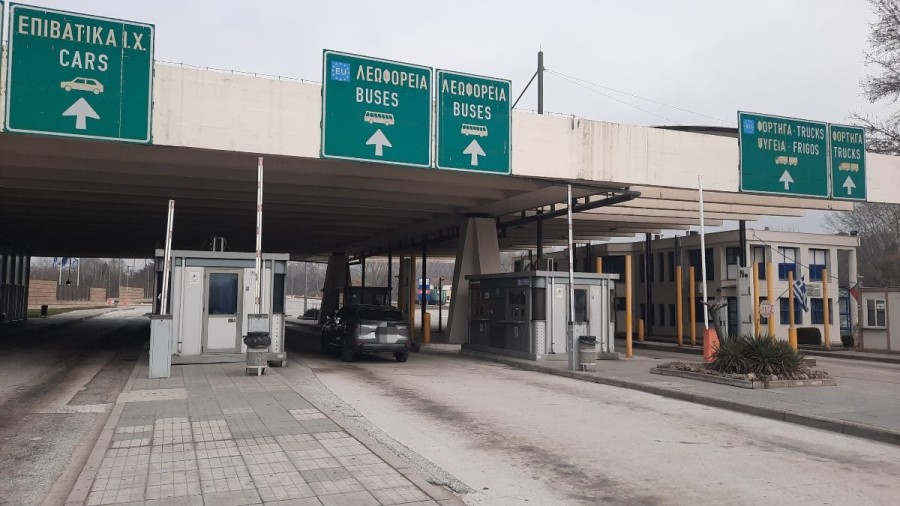
In Bulgaria, the road from the Promachonas border crossing to Sofia is modern, comfortable and fast. The only exception is the stretch through Kresna Gorge, where for about forty-five minutes the road narrows, and I’m told that summer weekends can bring heavy traffic. The scenery, however, more than makes up for it. The gorgeous Struma River runs alongside the road, rushing past in a wild and beautiful sweep. I filmed plenty of videos but, unfortunately, didn’t take a single photograph, so I cannot share with you just how impressive this route truly is.
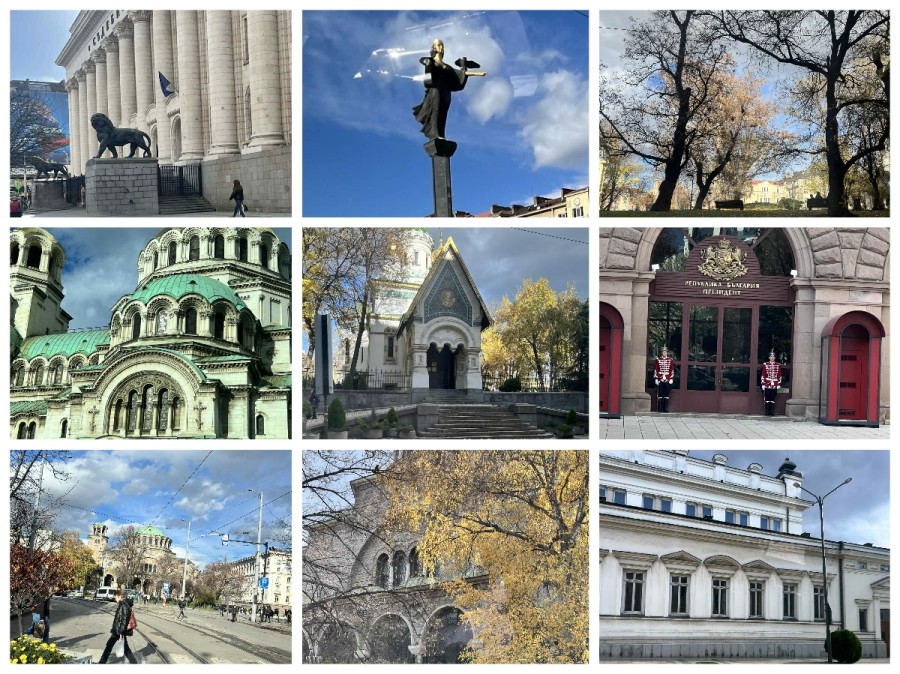
The villages along the way, as well as the outskirts of Sofia, can feel a little disheartening. They resemble the more neglected, low-income corners of the Greek countryside. The city centre, however, is a completely different story. Sofia’s heart is lined with impressive buildings, broad squares and lush green parks, and it evokes — in a very loose, scaled-down way — something of Belgravia in London.
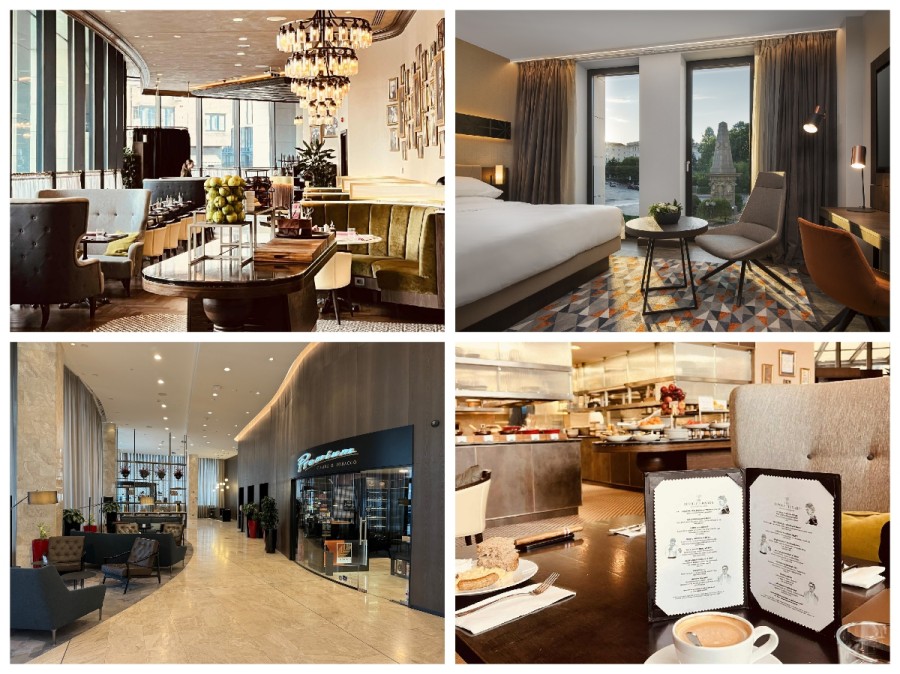
The Hyatt Regency turned out to be an excellent choice, not only because it sits in one of Sofia’s most central and attractive locations — Vasil Levski Square, often compared to a capital city’s main civic hub — but also because the rooms, even the standard doubles like the one we stayed in, are exceptionally comfortable and fully equipped. The service was unfailingly polite and the breakfast we tried was more than respectable. The lobby even features a cigar shop and a dedicated cigar lounge, something that Panos appreciated immensely, as you can imagine.
Sofia has a strong Greek presence, not only due to its proximity to Thessaloniki but also because many Greek students live here and a notable number of Greek professionals and entrepreneurs have established themselves in the city.
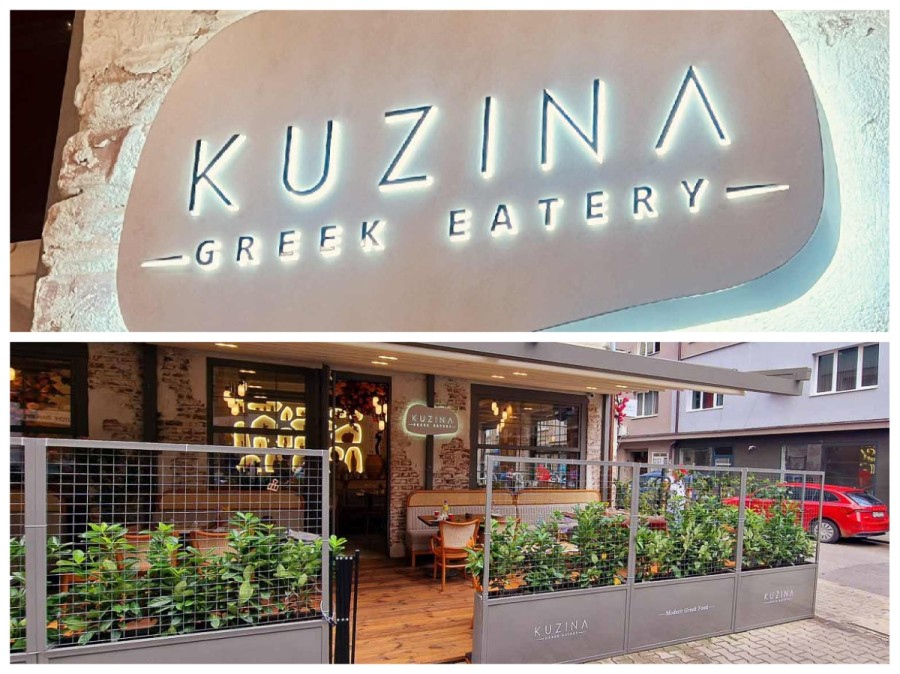
On our first evening we went out for dinner at a Greek restaurant, Kuzina. I’ll admit I was puzzled at first – why come all the way to Sofia to eat Greek food? – but I was genuinely impressed by the quality, as well as by how busy it was. As the evening went on, our waiter, who spoke such flawless Greek that I initially assumed he was Greek (he wasn’t, he was Bulgarian), explained that the place is packed every night and that Greek cuisine is among the most popular in the country.
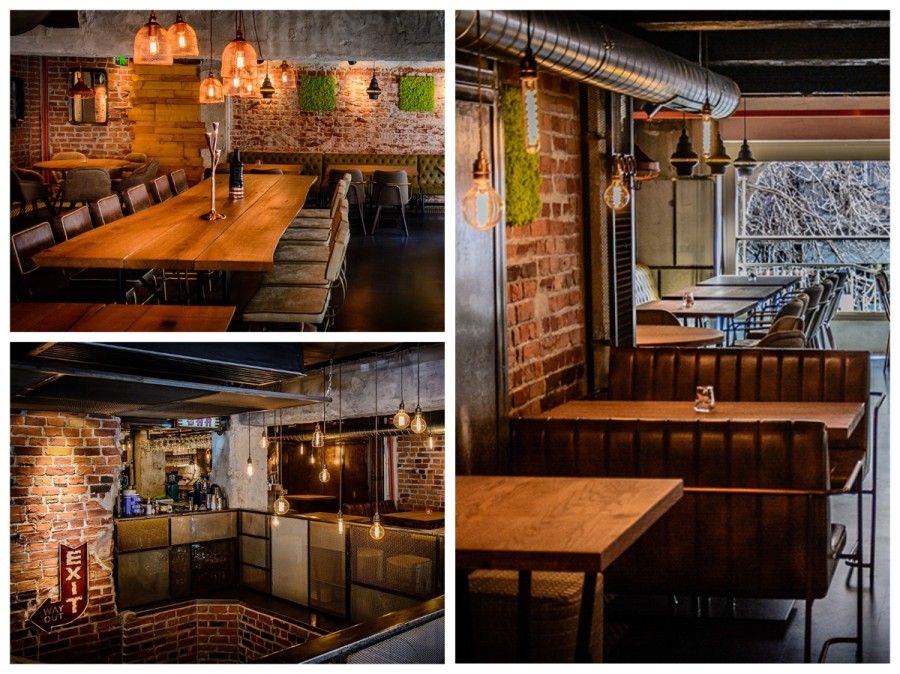
The following morning, moving from one meeting to the next, we had the chance to stop by one of the city’s most popular all-day spots, Social Bar & Kitchen. We then walked along Vitosha Boulevard, Sofia’s main pedestrian artery, before heading to the Paradise shopping centre, where it became clear that, in terms of retail – much like in gastronomy – Sofia feels reminiscent of Athens in the 1990s. You sense it, too, simply by strolling through the city’s major commercial streets.
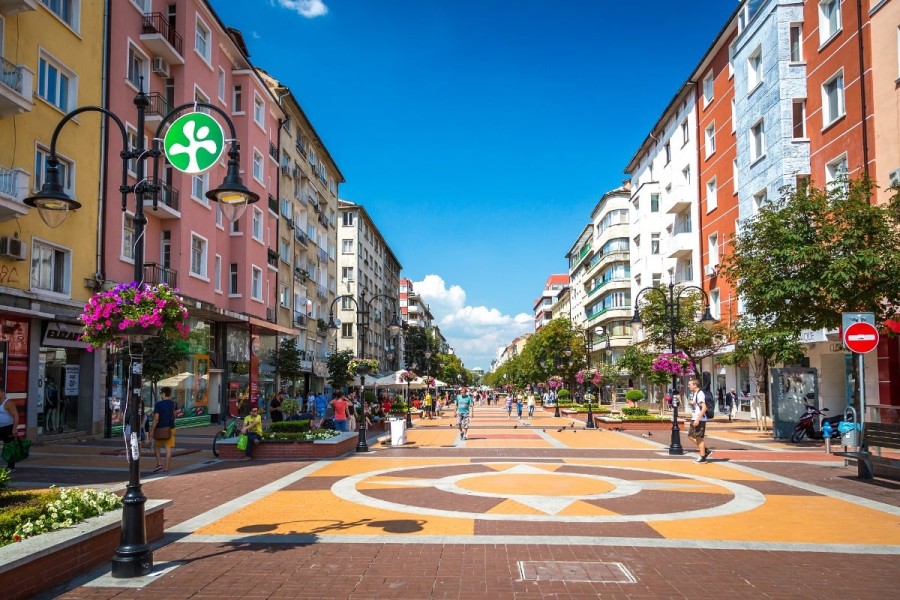
You won’t find the usual roster of international luxury brands here — I only spotted a Chopard boutique — nor the kind of elaborate window displays you might expect in larger European capitals. The retail landscape is still shaped largely by small independent shops, which gives the city centre a more local, unpolished charm. At the same time, Sofia presents a series of striking contrasts. Casinos are commonplace, high-end cars appear regularly on the streets — we saw everything from Porsches to a Bentley — and restaurants are consistently busy from lunch through to dinner. There is clearly spending power and an appetite for growth, even if the city’s luxury and gastronomy scenes are still in an early, evolving phase.
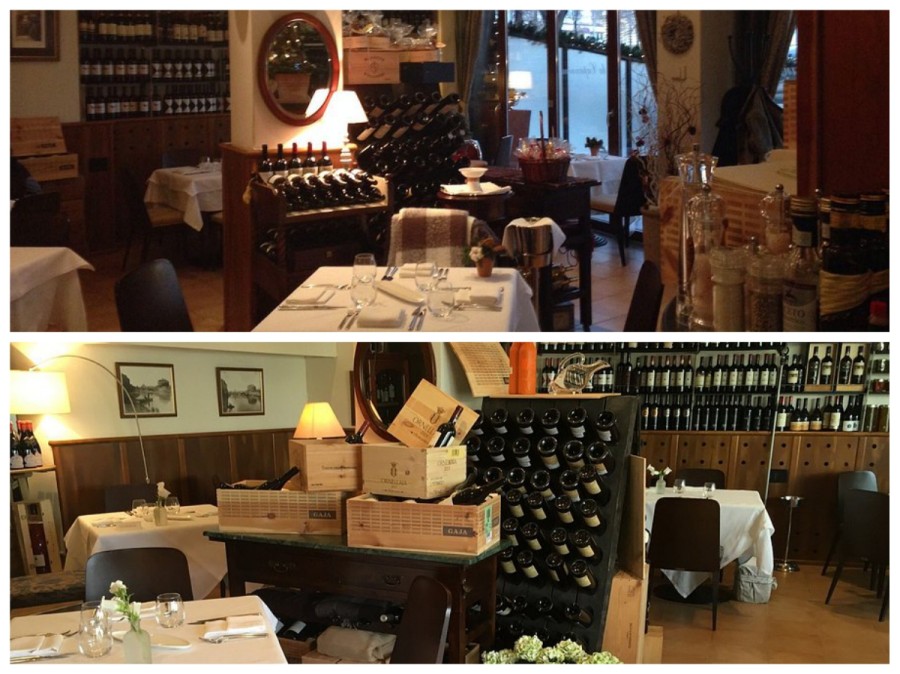
For lunch we went to an excellent Italian restaurant, La Capannina, which impressed us with both its elegant setting and the quality of its cooking. The ingredients were superb and the dishes thoughtfully prepared – the kind of Italian food that would hold its own in any major European city.
That evening brought an unexpected highlight. We had booked dinner at Panorama, one of Sofia’s most acclaimed restaurants, located on the top floor of the Marinela Hotel. The restaurant sits in the Lozenets district, an upscale residential area, and offers a refined dining experience that exceeded our expectations.
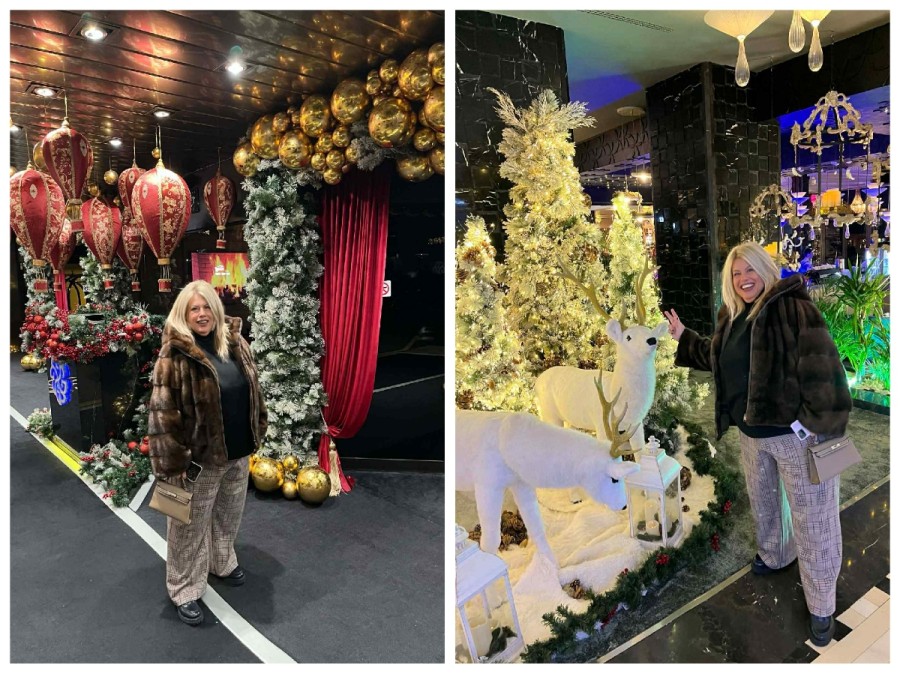
The hotel itself was a kind of surreal spectacle. The vast black-and-white marble lobby was dressed for the festive season, yet in such an exuberantly inclusive way that everything seemed to coexist at once: colour-changing Christmas trees, white plastic reindeer, gold metallic bears, mountains of artificial snow, Chinese lanterns, neon signs flickering in every shade imaginable, dozens of screen-based virtual fireplaces, penguins the size of basketball players and — somewhat unexpectedly — a gentleman’s club. It was an almost dreamlike collage of influences and aesthetics that you simply couldn’t look away from.
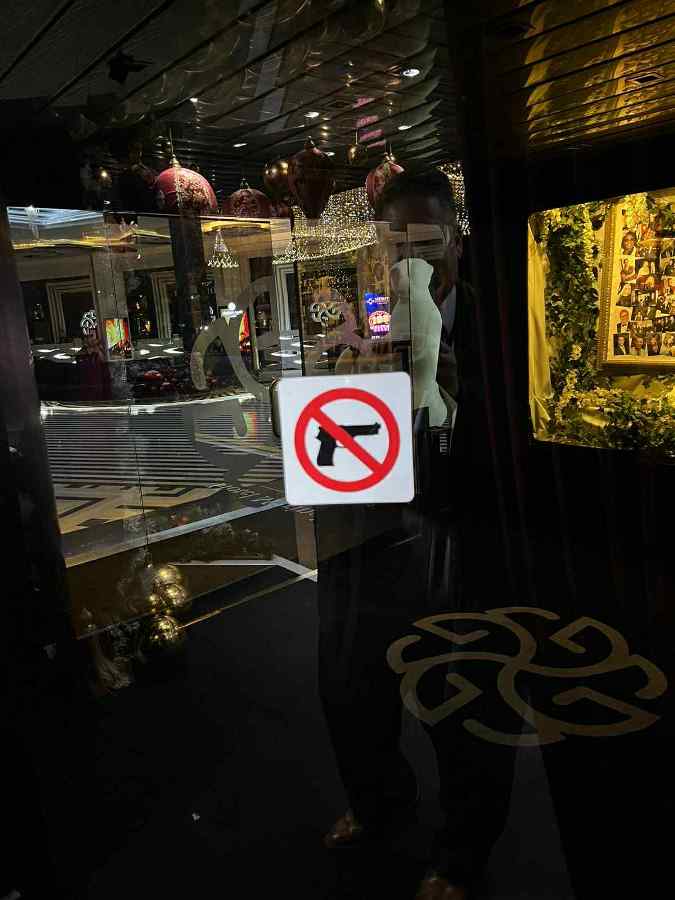
At the entrance – besides the Bentley I mentioned earlier and a couple of rather imposing gentlemen keeping a watchful eye on things – something else caught my attention: stickers indicating that firearms were not permitted inside the hotel. It’s certainly not something I’ve come across before in all my travels, and it added yet another unexpected note to an already surreal setting.
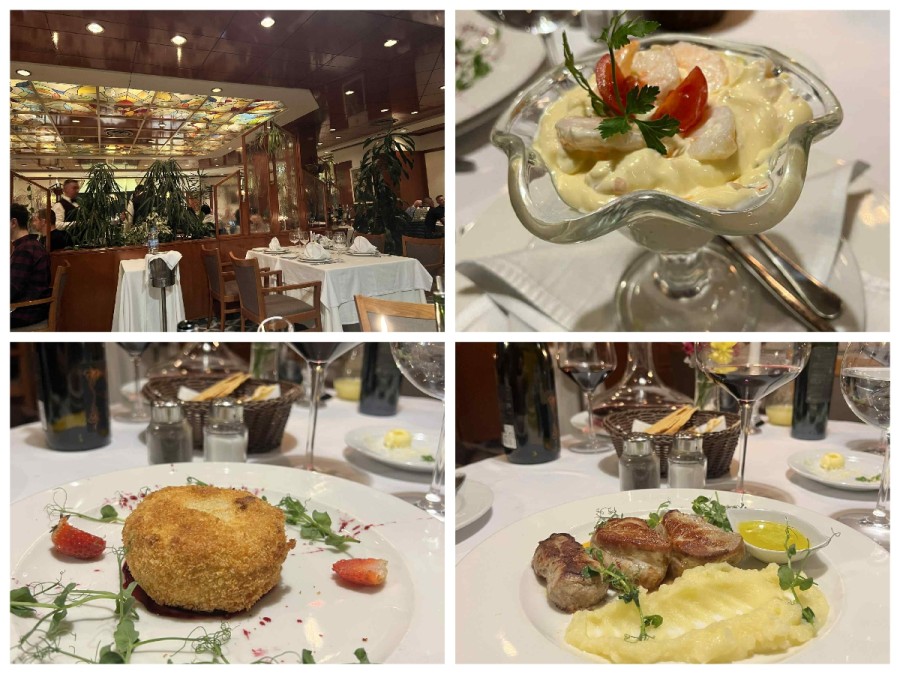
By the time we reached the rooftop restaurant, our mood had shifted fully into “adventurous”. Opening the door felt almost like stepping into a time capsule from the 1980s: an elegant dining room with Asian-inspired décor, live piano, attentive service, and an international menu that belonged to another era — all framed by a sweeping view over the city. We had assumed, incorrectly, that this would be our chance to try traditional Bulgarian dishes, so finding ourselves faced with retro classics such as prawn cocktail with abundant mayonnaise, camembert with forest fruits (surprisingly delicious), and various fillets in cream sauce was an amusing surprise. Once we adjusted our expectations, though, we leaned into the experience and ended up enjoying the evening immensely.
As we were leaving and trying to call a taxi back to our hotel, we were genuinely surprised to discover that, just as when we arrived, neither of the two vast reception desks was staffed. In fact, there wasn’t a single person anywhere in the lobby or at the entrance. Whether the hotel operates on a more private, by-appointment system or whether we simply caught it at an unusual moment, I honestly couldn’t tell. Thankfully, I had already downloaded the TaxiMe app, which proved invaluable for getting around Sofia. Without it, we might still be standing there trying to work out how to get back.
As a side note, taxis in Sofia are remarkably affordable, and with the current exchange rate—one euro equalling roughly two leva—rides feel almost unbelievably inexpensive. That may change once Bulgaria adopts the euro in January, but for now both transport and dining out are pleasantly budget-friendly.
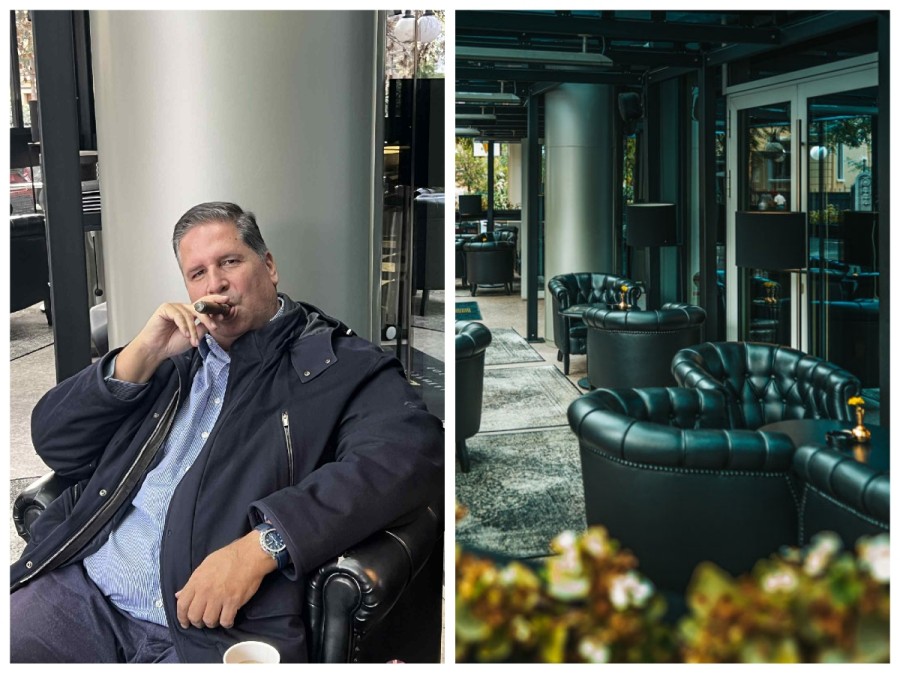
On our final day we set aside a few hours to explore the city properly. Since we’re admittedly lazy travellers, we asked the hotel concierge to arrange an English-speaking guide. He picked us up from Cohiba Atmosphere — Sofia seems to have no shortage of casinos and, apparently, cigar lounges — and took us on a relaxed but comprehensive tour of the city’s main landmarks. We stopped for photos, got a genuine feel for the city’s rhythm, and left with a much clearer sense of Sofia’s character before being dropped back at our hotel.
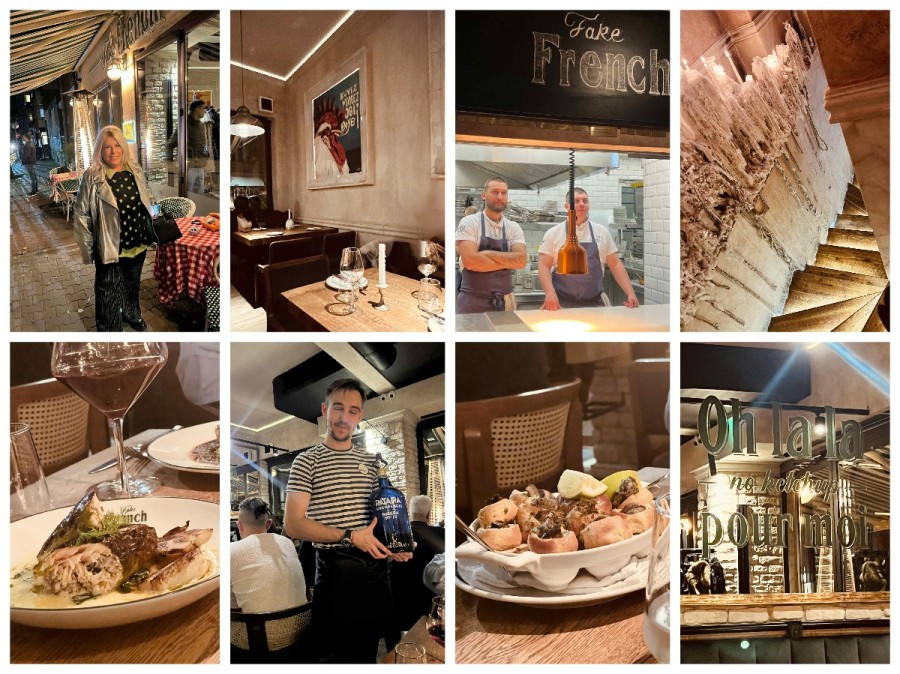
That evening we went to the most intriguing spot of our trip, Fake French. Despite the cleverly self-effacing name, it turned out to be far more authentic than many counterparts I have tried in Greece and elsewhere. Youthful, with a great vibe, relaxed yet impeccably polite service and a menu that is both interesting and playfully inventive, it is the kind of place that would fit effortlessly into Athens and would likely thrive. It is a style of restaurant we miss, and as I searched for a word to describe it, the French nonchalant came to mind.
Our days in Sofia passed quickly, and as we left for Thessaloniki to break the return journey in half, I found myself thinking that I would happily return if given the chance. It is not a city that overwhelms you at first glance, yet it has an undeniable sense of familiarity and certainly many more fascinating facets waiting to be discovered.