


This philosophy was evident at this year’s awards ceremony in Turin. The selections, the highlighted voices, and the emphasis on regional storytelling all pointed to a broader understanding of culinary achievement. Here, “best” is not a fixed notion but an evolving term influenced by context. Restaurants are recognised not just for their flavours but for their capacity to articulate meaning—through memory, hospitality, contextual relevance, and even advocacy. William Drew’s contribution lies in his unwavering commitment to valuing substance over spectacle and his continuous exploration of “significance” in the world of food.
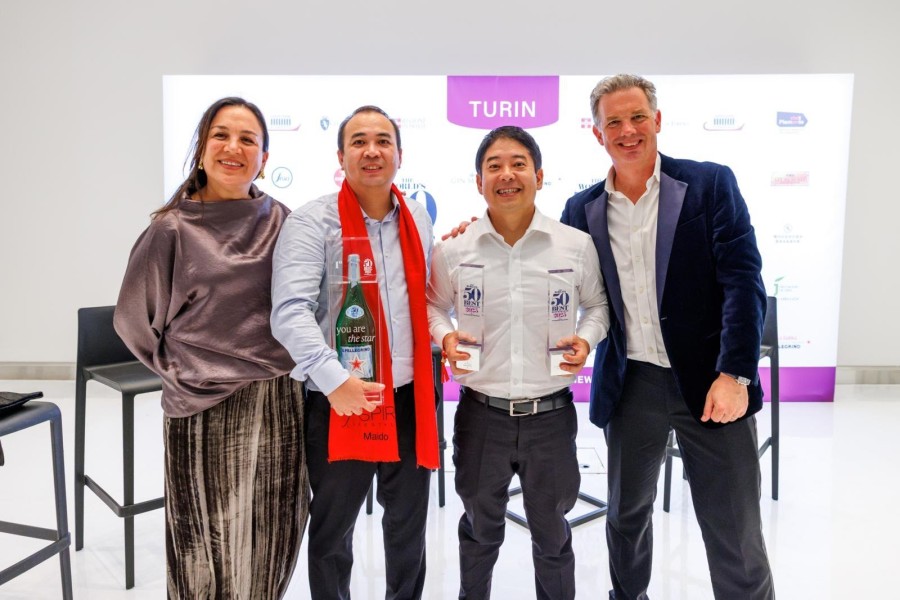
You’ve led The World’s 50 Best for years—how has your philosophy on food, luxury, and culture evolved as the list has developed?
My approach to food, luxury, and culture has evolved to mirror the changing global dining scene. Over the past decade, high-end dining has transitioned from exclusivity to experience, moving away from formal dining rooms. There’s been a significant rise in culinary reclamation, where chefs from indigenous and historically underrepresented communities reclaim their narratives through food, emphasising ancestral ingredients and techniques.
You’ve witnessed the ebbs and flows of trends, the triumphs, and challenges of chefs—what inspires you to keep telling these stories, year after year?
The opportunity to illuminate the stories of underrepresented chefs and restaurants drives me. Our Champions of Change Awards, for example, recognises unsung heroes making substantial impacts in their communities, promoting inclusivity, sustainability, and social progress. 50 Best also provides donations to the winners’ initiatives, helping them continue their vital work. It`s the evolving stories that inspire me, as they’re always changing.
Looking forward, what do you think will become the defining characteristic of a “world-class” restaurant? Will tasting menus and formal table settings still be essential?
The definition of a “world-class” restaurant continually evolves, shaped by varying factors—consumer values, technological advances, changing culinary culture, and climate impacts on ingredient availability. There will always be space for restaurants showcasing inventive menus, but increasingly, chefs serve foods that tell personal or cultural stories, incorporating elements of indigenous and diaspora cuisines—indicating a shift from traditional tasting-menu formats.
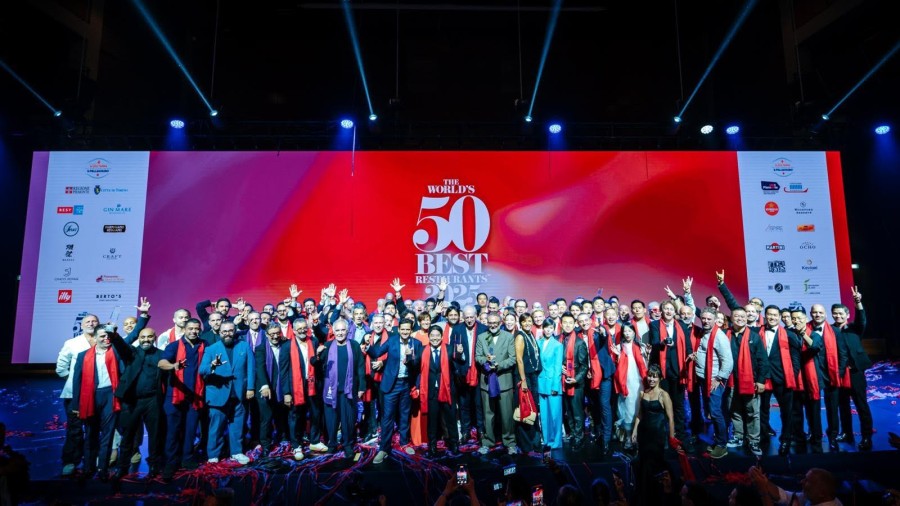
What is the ‘secret ingredient’ that propels a restaurant from the 51–100 list into the Top 50? Is it purely about the cuisine, or do intangible qualities also make a difference?
A truly great restaurant is about more than just the food on your plate. It’s an experience you carry with you—be it exceptional service, the sommelier’s expertise, stunning views, or an atmosphere enhanced by local craftsmanship. There’s no ‘secret ingredient’—what’s ‘best’ is entirely subjective, shaped by each voter in the Academy. We advise restaurants to concentrate on delivering excellence for their guests, with inclusion on the list being a meaningful reward for their dedication.
With the recent addition of two new countries to the list, do you think there are still unexplored culinary frontiers?
Absolutely—many remain. We’re thrilled when our voting Academy acknowledges talent from diverse locales. Through our regional awards, like Latin America’s 50 Best, Asia’s 50 Best, MENA’s 50 Best, and the newly launched North America’s 50 Best, we aim to showcase the rich and diverse food cultures extending beyond traditional gastronomic centres.
How do you envision The World’s 50 Best being remembered in fifty years’ time—as a mirror, a trendsetter, or something else?
Perhaps a bit of both. The World’s 50 Best Restaurants acts as a mirror of the current culinary scene and as a trendsetter shaping the future of food. Our rankings showcase the present state of gastronomy and hospitality, while also highlighting emerging trends, cultural shifts, and groundbreaking innovations. Ultimately, we hope to be remembered not only for recognising excellence but also for inspiring it.


Login or register to join the conversation